Futures strategist and foresight practitioner, working across disciplines. My work is often organized around global flows: the movement of people, goods, capital, and information.
Journal
Featured






A signal is a fragment of the world that someone has decided means something. For decades, foresight practice has treated signals as raw material. The tools built on that assumption are now meeting a world where the substrate they depend on has been polluted.
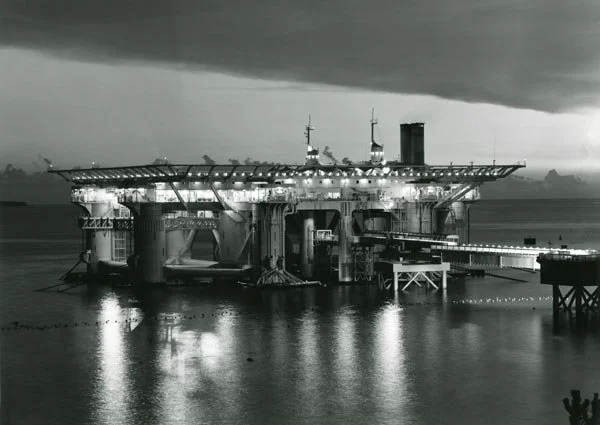
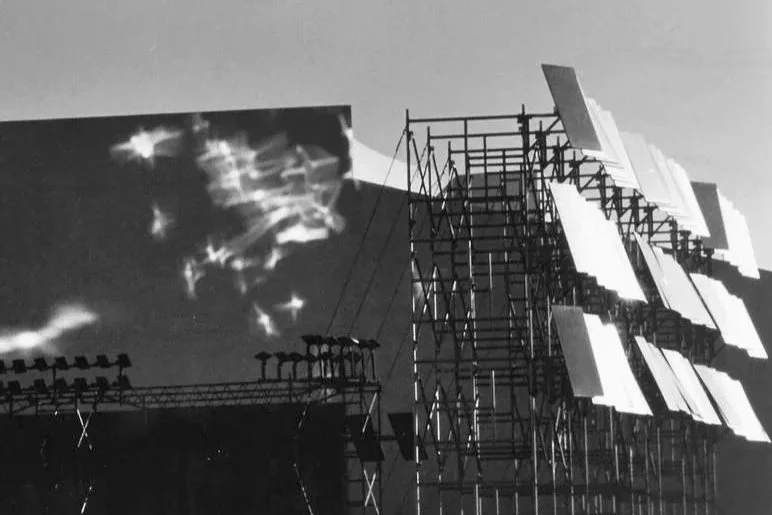
Aquapolis was 15,000 tons of metaphor used to impose an idea of what adapting to the future should look like. A $550 million floating city prototype, a Houston high school funk band, and what endures from our grandest visions of the future.
Three visions of tomorrow occupied the Dallas Museum of Art in 1972. One invited citizens to stamp their preferences onto a picture of the future. One looked backward at World's Fair grandeur. One sealed miniature figures inside transparent boxes. Together, they made a portrait of futures-thinking contrasting the citizen as participant and the citizen as exhibit.
In 1973, the world's best astronomers miscalculated the comet of the century. In Houston, an architecture collective was wiring living rooms to satellites, printing letterhead for a dolphin embassy, and predicting remote work. Down the road in San Antonio, a technology company nearly invented the Internet. An invitation to the future with Universal Technology, Ant Farm, and Datapoint.
The story so far is that it is good, it will be better. This does not correspond to the experiences of the majority of inhabitants of the world. If it is so good, then why is it so bad?
In 2014, Crimea jumped two hours ahead to Moscow time in a fraction of a second. In 2021, Texas measured pregnancy in hours. Watching futures films through the heat, I could hear my neighbors discussing being express kidnapped in Mexico: we live intertwined with more scale than we can grasp.